
Moving into my Sharehouse

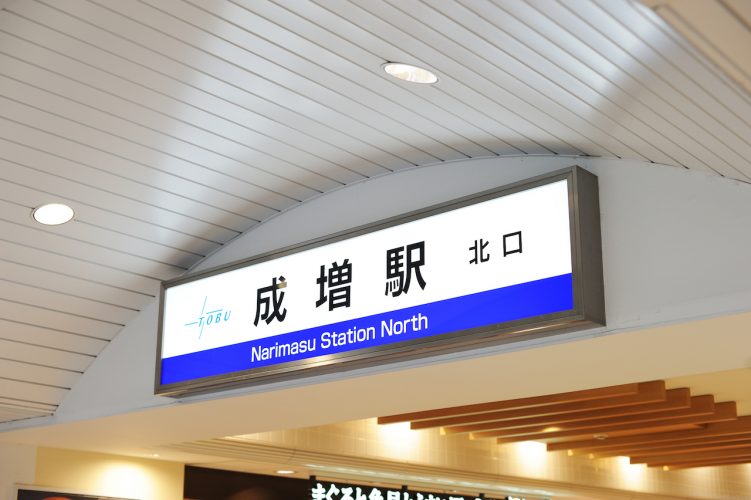
Typhoon Jongdari reminded me of the storm that hit Japan on move-in day from last summer. I lived in a sharehouse in Narimasu with five other interns from Come On Out, so we agreed to leave to the Toshin building together and travel to the house. Unfortunately, that’s when the rain began. The storm was not a typhoon, although the strong winds and pouring rain made navigating the train stations even more challenging.

One of my housemates, Jake, had the additional bad luck of having the handle on his suitcase break as we found our way to Shinjuku station. He had to carry his suitcase for the remainder of the trip -- cutting his hand on the plastic handle in the process. He had a fantastic attitude about it and really set the tone for what could have been a fairly stressful moving experience. If you’re wondering, he ended up buying a new suitcase from Donkihote before returning to America.

None of us had tremendous experience navigating the Japanese public transit system, so we didn’t understand the difference between an express train and a local train. This confusion turned a 45 minute commute into an hour+ commute. We also didn’t understand the Japanese system of street addresses, so we showed up to the gate of the wrong house with full confidence before realizing our mistake.

As a whole, the moving in experience took longer than it should have due to many factors, including the weather and our own inexperience. But it was a great foundation for getting to know my new housemates. And we did get there. Eventually.

—

Written by Tabitha Belshee, Global English Camp 2018 Leader

Come On Out Comment
Pocketalks in the Classroom

While on the 2018 Global English Camp program, I noticed a particular gadget showing up in the classrooms: The Pocketalk. In the past, I remembered seeing this gadget in places I couldn’t put a finger on, but what I could remember were my overall assumptions: It probably doesn’t work. Google Translate is a hilarious mess when it comes to English to Japanese and vice versa. Why would this be any different?

Image from www.tofugu.com

Image from www.tofugu.com

Sometimes, classroom staff owned Pocketalks and put them to my mouth. Whenever I spoke into these machines, I was surprised by how natural the Japanese to English translation sounded. Granted, the translation was formalized and worked best with simpler questions, but it still worked better than I expected. 

Pros: 

  • Great for simultaneous conversation

  • Decent at translating questions and simple conversation

  • Easy accessibility

  • Long battery - 7 hours of usage or up to ten days in sleep mode

Cons: 

  • Not free; can cost up to $300

  • Wifi is required

  • Same text/speak style as free Google Translate, although the voice seems better quality

Overall Opinion: The Pocketalk is great for people who have less than intermediate knowledge of the language they plan to speak. Say anything too colloquial, metaphorical, or long, and it’ll probably screw up.

If you’re going to be a Global English Camp intern, expect to see some staff members in Japan storing a few of these in their pockets!

—

Written by Paige Goetz, Director of Communications

Come On Out Comments
2018 College Tour

Where We’re Visiting:

Cornell | Duke | Yale | Johns Hopkins | Penn | Harvard | NYU | Princeton | Columbia | Oxford | Cambridge | Imperial College London | University College London | Northwestern | Chicago | CalTech | Michigan | UCLA | UC Berkeley | Stanford | London School of Economics | Toronto

University updates will be made throughout the month!

Check exact times and dates on our Facebook Events page here.

Looking forward to meeting prospective interns and past interns alike!

Come On OutComment