
Insta-Japan: 6 Instagram Accounts to Follow for a Glimpse of Japan

Much of Japan’s allure lies in its incredible diversity contained within a relatively small landmass. Thanks to our rotating schedules as Global English Camp interns, we had the good fortune to explore much of Japan’s unique geography, from sleepless cities to quiet countrysides.

As enthusiastic social media users, we often relied on Instagram for recommendations and tips on living in Japan, as well as staying connected to the country long after leaving. Here are some of our favorite Instagram accounts to remind us of Japan even when we can’t be there in person!

1. @japanbyfood

This account features traditional Japanese food like wagashi and ramen, as well as Japanese food trends like Studio Ghibli-themed cream puffs. Many of the accounts’ captions highlight the history and traditions associated with popular Japanese dishes, so it serves as a great educational tool for anyone looking to learn more about Japanese food.

Content from @japanbyfood

Content from @japanbyfood

2. @her.atlas

Caitlin Atlas is an American influencer living with her husband and dog in Iwakuni, a tiny Japanese town in the western prefecture of Yamaguchi. Originally from San Diego, she now teaches part-time at an American school and chronicles every detail of her life in Japan, from her modern home to her grocery store trips. She is also active on YouTube, TikTok, and her own blog (heratlas.com).

Content from @her.atlas

Content from @her.atlas

3. @hirozzzz

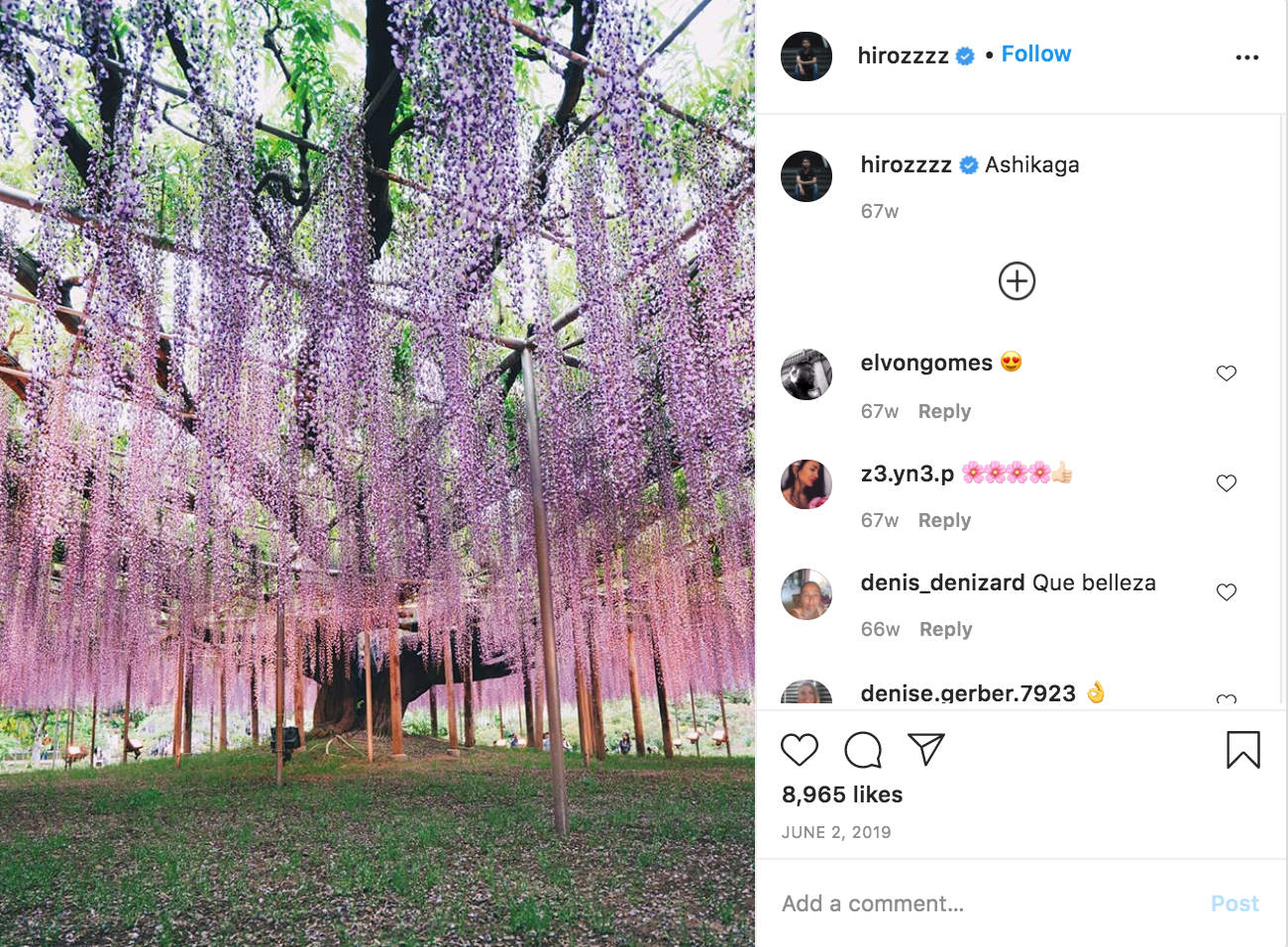
Photographer Hiroaki Fukuda’s Instagram account strikes a perfect balance between the natural and man-made beauty that comprise Japan’s distinct aesthetic. Between the sakura, torii gates, and Tokyo streets, you might even spot a celebrity or two that Fukuda has photographed during their visit to the country. 
Content from @hirozzzz

Content from @hirozzzz

4. @twinleaves

All of the photos on this page follow the same formula with strikingly different results each time: perfectly-square captures of exterior walls across Japan. The variety this photographer produces is captivating; some portraits are stunningly simple, while others are so elaborate they could be studied for hours.

Content from @twinleaves

Content from @twinleaves

5. @blossomtheproject

This account uses Instagram-friendly infographics to explain “social issues and mental health” in a Japanese context. Most of the posts are available in both Japanese and English. For anyone who has spent time in Japan or wishes to better understand contemporary Japanese society, this page is a great start.

Content from @blossomtheproject

Content from @blossomtheproject

6. @coco_pinkprincess

Coco is a nine year-old fashion icon from Harajuku, the colorful, fashion-forward neighborhood in Tokyo. On her account, you can find her fiercely posing in everything from full monochrome looks to balloon pants. For anyone interested in Japanese fashion and street style, this account is a fun one to follow.

Content from @coco_pinkprincess

Content from @coco_pinkprincess

Whether you are visiting Japan or sitting on your couch daydreaming of a trip there, these accounts will help you connect with Japanese culture regardless of your location. While these are a few of our favorites, there are plenty of Japanese content creators and we are always looking for more to follow. Do you follow any Japanese Instagram accounts?

Written by Emily Coplan and Isa Ananya Spoerry, 2019 Global English Camp Interns

Come On Out Comment
Japan By The Book: 5 Books That Will Transport You To The Land of the Rising Sun

Considering Japan’s complex history and rich cultural composition, it should come as no surprise that the country also has a thriving literary scene. I learned just as much last summer, when at the end of Global English Camp I found myself longing to return to Tokyo before even boarding my flight home. After flipping through the photos of my adventures for what seemed like the hundredth time, I figured there must be better ways to recapture the magic I felt while traveling through Japan. Enter: books!

Below you will find a brief list of excellent reads that offer insight into some of the most compelling aspects of life in Japan, from its characteristic tea culture to its ubiquitous convenience stores. Global English Camp may be remote this year, but books provide the perfect portal to Japan until it is safe to travel once more. Happy reading!

A bookstore in Nara.

A bookstore in Nara.

1. Norwegian Wood by Haruki Murakami

Haruki Murakami is one of Japan’s most prolific and internationally-recognized contemporary authors; his books have been translated into over 50 languages and won numerous awards. Norwegian Wood, named for the famous Beatles song mentioned in the novel’s opening pages, follows a young man named Toru Watanabe through two romances and the loss of his best friend to suicide. Murakami meditates on universal themes including grief, adolescent love, and the passage from youth to adulthood through a uniquely Japanese lens. Pictured below: Kinkaku-ji (Golden Pavilion) and the Gion district in Kyoto.

P.S. It’s a favorite book of singer Harry Styles!

P.S.S. For a taste of Murakami’s writing, try this recently-published short story in The New Yorker, linked here.

2. Convenience Store Woman by Sayaka Murata

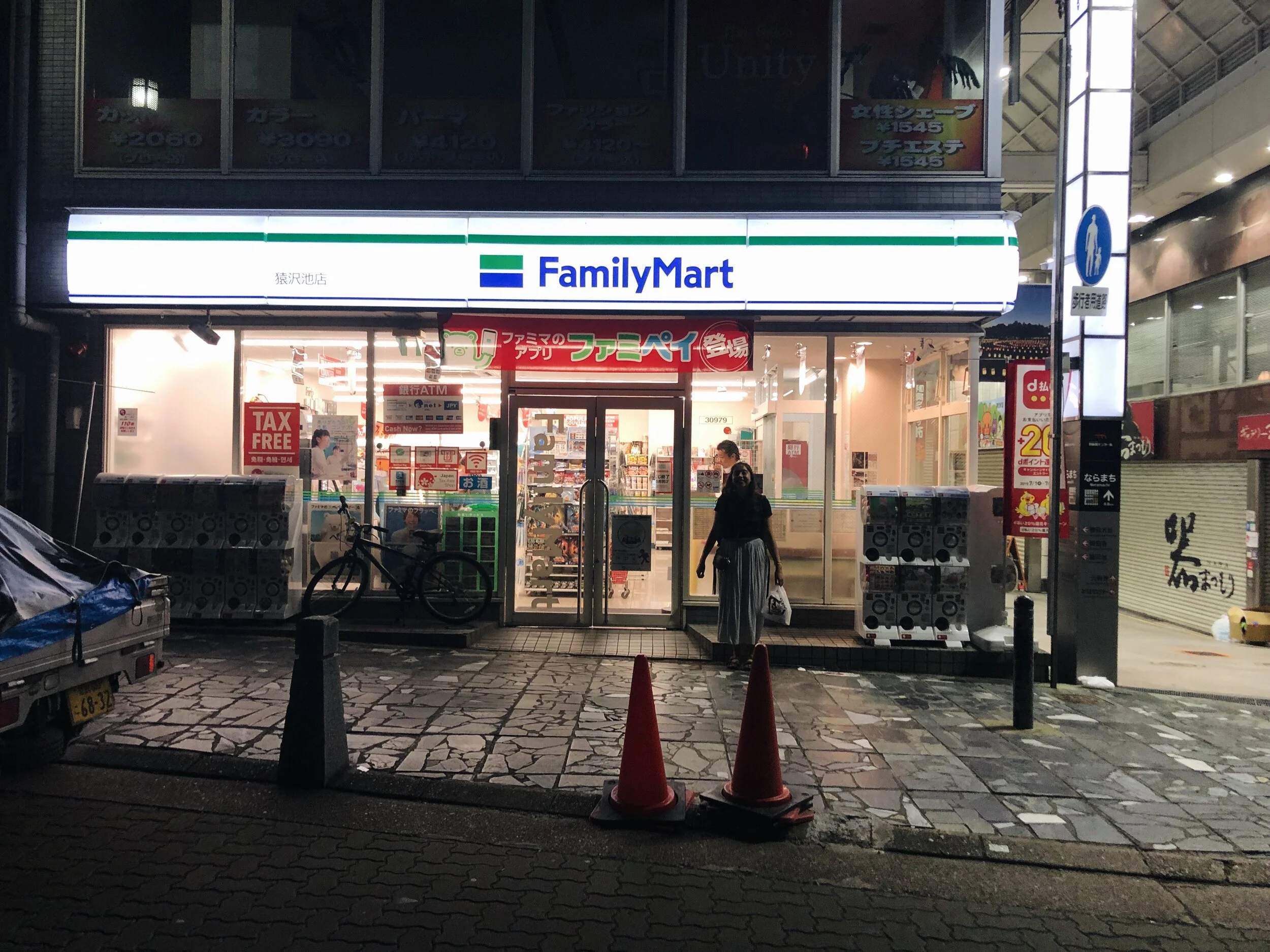
The first of Murata’s ten books to be translated into English takes place within one of the most familiar Japanese settings to residents and visitors alike: the conbini, or convenience store. Thirty-something Keiko Furukura is a top-performing employee at the fictional Hiiromachi Station Smile Mart. She struggles to connect with her family and finds a sense of purpose, identity, and value in her work at the conbini. Striving for what she perceives as normality, Keiko strikes a deal with a misogynistic, bitter man named Shiraha. Murata uses her characters as vehicles to interrogate key issues in modern Japan, ranging from declining marriage rates to shifting gender roles, as well as hikikomori—a Japanese term for endemic reclusivity and social withdrawal. Pictured below: The author in front of her favorite convenience store, Family Mart, and some of the author's convenience store picks (onigiri, sushi, and melon bread & green tea).

3. Strange Weather in Tokyo by Hiromi Kawakami

Similar to Convenience Store Woman, the protagonist of Strange Weather in Tokyo is a single working woman in her late thirties. One evening, Tsukiko reconnects with her old Japanese teacher—’Sensei,’ who is at least thirty years her senior—at a bar, sparking a tentative romance that spans the four seasons in Japan. Tsukiko and Sensei understand one another deeply, which Kawakami uses to explore loneliness and the importance of human connection. As most of their interactions take place over dinner and drinks—many of which are described in ways that feel like Kawakami’s ode to Japanese cuisine—readers might envision themselves as sitting just one table away, able to detect the subtle intimacy of the relationship these two characters cultivate. Pictured below: Different settings of Tokyo at night.

4. Pachinko by Min Jin Lee

Pachinko is the only book on this list whose author is not Japanese. Min Jin Lee, a Korean-American, wrote this novel to draw more attention towards Zainichi Koreans, or people of Korean descent who reside in Japan. Through three generations of a fictional Korean-Japanese family, Lee illustrates the contentious history between the two countries through the primary setting of 19th century Japan. One decision made early in the novel sets in motion the unexpected, heart-wrenching lives of a dynamic cast of characters across a small Korean fishing village, the bustling Japanese port city of Osaka, and an American university in New York. Lee’s meticulous attention to detail in both her research (which took ten years!) and writing style ensures a rewarding reading experience that is equal parts emotional and informative. It is also one of my absolute favorite books I have ever read. Pictured below: Osaka by day and night.

5. The Book of Tea by Okakura Kakuzō

More of a long-form essay than a book, The Book of Tea is also the oldest work on this list, published in 1906. Writing for a Western audience, Kakuzō explains how chadō, or teaism, might be applied to practices of everyday life. He lauds the serenity and simplicity brought about by tea and commends the Japanese concept of wabi-sabi, a philosophy rooted in appreciating and embracing the beauty of imperfection. Ultimately, Kakuzō suggests that tea should be recognized for its universality and power as a bridge between countries and cultures. If you’ve ever enjoyed a great cup of matcha, this book is a must-read! Pictured below: The author with her first matcha of the trip and an iced matcha in Tokyo.

And, for good measure, two excellent books that are not set in Japan but are by authors of Japanese heritage…

1. Never Let Me Go by Kazuo Ishiguro

Told through a series of flashbacks, a caregiver named Kathy reminisces on her time at a boarding school in the English countryside and the dark secret behind it.

2. The Memory Police by Yōko Ogawa

Residents of an unnamed island routinely experience the physical and mental erasure of everyday objects, enforced and monitored by a mysterious force: the titular Memory Police.


What are some of your favorite Japanese books?

A handmade book from a shop in Nara.

A handmade book from a shop in Nara.

By Isa Ananya Spoerry, 2019 Global English Camp Intern

Author’s Note: This is a very small sampling of a much larger corpus that becomes even more expansive if you can speak or read Japanese. I selected some fairly popular books that were either initially written in English or have a well-respected translation, but I encourage everyone to read beyond this list and share your own recommendations. 

Come On OutComment
Japan for First-Timers: 5 Quick Tips!

When I was accepted into the Come On Out - Japan program in 2018, you best believe that I spent hours and hours reading random forum threads and watching YouTube videos to prepare for my first trip to Japan. Having now traveled to Japan twice, once to teach (2018) and once on a solo-trip traversing across eight cities from Tokyo to Fukuoka (2019), I have reflected on the many, many logistical snafus I’ve made and experienced. Here are the top five things I recommend (and will be) doing, in order of importance, either before or as soon as you arrive in Japan to make your life (and COO experience) easier!

1. Download Japanese on Google Translate AND Google Maps.

BONUS: Learn the following:

·       sumimasen – excuse me/sorry/thank you (use when you bump into someone, when you want to stop someone to ask for directions or help, or when you need to get the waiter’s attention)

·       arigato gozaimasu – thank you

2. Get a SIM Card or PocketWifi.

There are many rental services you can find online to do so (prepaid SIM, rental SIM, rental PocketWifi, etc etc). As always, please do your research before you make a decision! I personally use CdJapan (https://rental.cdjapan.co.jp/) to rent an unlimited data SIM card. I have an iPhone and usually rent the cheapest data SIM they offer (200 MB high speed per day, unlimited 256Kbps afterwards (super slow data), for 40 days = ~53USD) and it is more than enough for ALL of my google maps, internet search, and Messenger/ WhatsApp/ LINE needs. (Disclaimer: I preferred this option because I don’t use much social media and didn’t want to carry around a PocketWifi everywhere). If you’re someone who often checks their social media apps and streams videos on data, I would recommend getting the PocketWifi instead. While there’s free wifi at train stations and convenience stores, I found that being able to communicate and navigate from any location was way more convenient and gave me a sense of independence and safety. (Note: if you decide to pick up your rental from the post office at your arrival airport, make sure you are arriving WITHIN the post office operating hours).

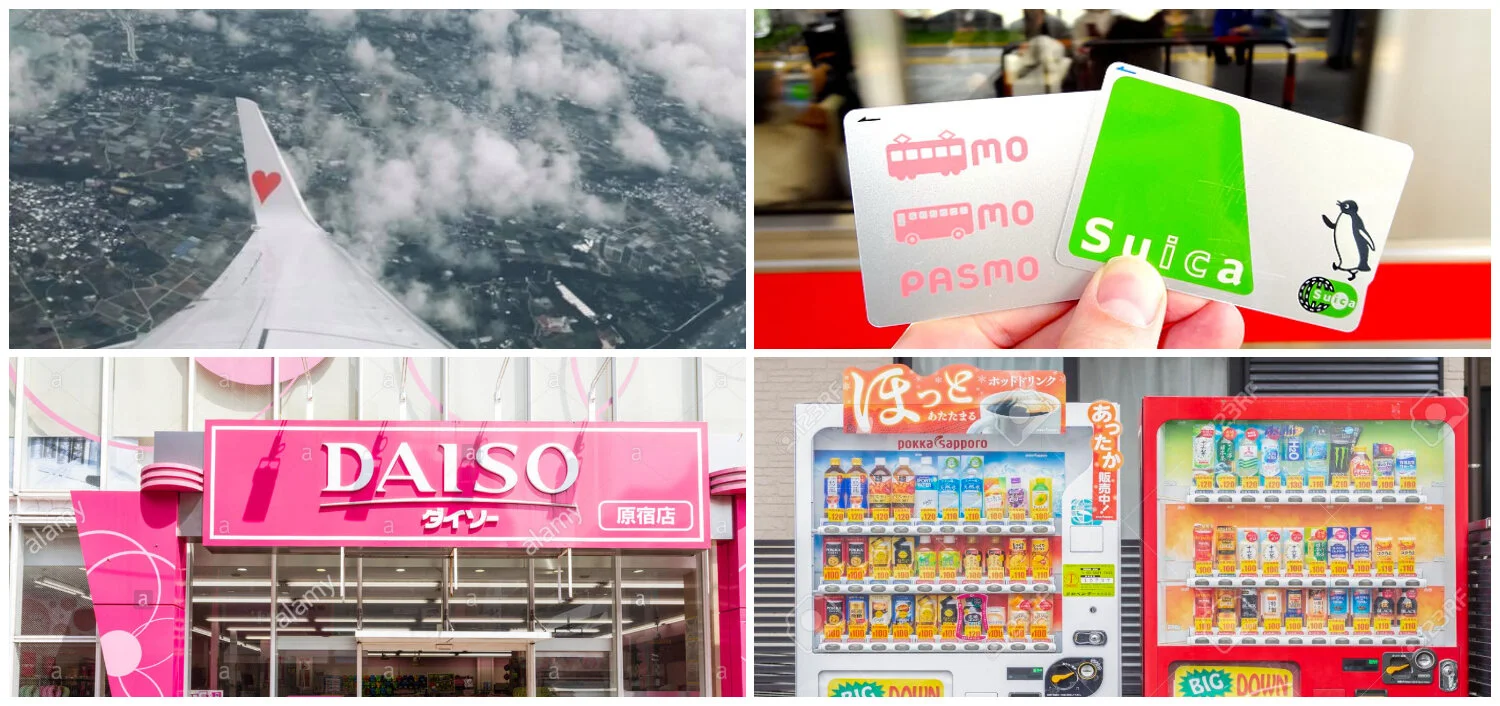
3. Buy a Pasmo or Suica card. Doesn’t matter which one, depends if you like pink or penguin. When you arrive at your airport, navigate your way to the public transportation area and get yourself an IC card ASAP. MAKE SURE YOU HAVE CASH. While credit cards are great, Japan is definitely a cash society and these machines only accept cash. I recommend putting in 5000 JPY (~50 USD) to start off. These cards are used on all public transportation and can be used to pay at any convenience store (just say “Pasmo” or “Suica” when you pay) and even at some vending machines. You can reload them later on as needed.

4. Bring an electrical adapter and portable charger. While your iPhone chargers will work just fine here, you definitely need an adapter if your laptop charger is three-pronged or otherwise. You will also always either be lost or looking for a place to eat, so your phone will run out of battery quickly. Also I apologize for the focus on iPhones, but that is the only experience I can speak to (sorry Android and other users)!

5. Go to a 100Y shop within the first week. The dollar stores in Japan are a dream (not to be confused with convenience stores like 7/11, FamilyMart, and Lawson). Stop by here for basic necessities that you perhaps forgot to bring (towel, toothbrush, wet wipes) or things you may later need for teaching (whiteboard, stationary, snacks). My top recommendations are Daiso or Can Do. Prices here are much lower if you don’t care about name brand things. If you’re pickier about skincare/soaps/makeup brands, I would recommend going to variety stores like Don Quijote or Bic Camera.

All in all, Japan (esp. major cities like Tokyo and Osaka) are traveler friendly, so don’t stress too much. But most importantly, make sure to come to Japan with an open mind and an open heart, and I promise you’ll have a wonderful time. Good luck!

By Angela Lin, 2018 and 2020 Global English Camp intern

Come On OutComment