From London to Shinjuku: My Memories of a Japanese Summer
Neither the journal on my desk, nor the pictures on my wall can accurately depict the nostalgia that I feel towards my time spent in Tokyo this summer. Before I arrived, I was unsure how to feel: unsure of what would surprise me most, or what I was most looking forward to. Now, I still do not know. My Japanese summer was filled with endless surprises, memories, and friends made.
It was undeniably a huge adjustment; as an 18-year-old coming out of her first year of university, I had not yet experienced so many culture shocks in this way, especially not all at once. Travelling across the world alone, teaching Japanese students (whilst having no knowledge of the Japanese language), and making a routine in a city that I had only ever seen in pictures. And yet, these were only what I thought the biggest shocks would be. In reality, there were so many more. Week by week, something new revealed itself, filling my summer with a multitude of memories.
The Lights of Tokyo – Week One
However, my arrival to Tokyo was one of my biggest surprises – and also my new favourite story to tell – being unique to three of us on this year’s programme. Following an emergency landing, we ended up spending over 24 hours stuck in Azerbaijan, only leaving once one problem after another had to be resolved. So, you can imagine our relief upon finally seeing the bright lights of Tokyo at night, and meeting our fellow interns in the morning, armed with a great story as an icebreaker.
From there, I learnt that in our absence, people had begun exploring the city in depth, and I was met with myriad recommendations – “You have to try the 7/11 smoothies!”, and “Have you tried the matcha ice cream yet?”. Walking around the city became overwhelming, as, like a cliché, it was like nothing I had ever seen before, not even taking the trains out to our accommodation. Clean, silent, on time: things that are unheard of at home in London. These observations let me bond with the others in my group, as we related tales of our home cities, and how Tokyo was already so unique to what we knew.
Packed into someone’s room, our discussions divulged from the city itself towards British-American cultural divides, and cultural exchange with one another began before we had even gone into the classroom. Continuing throughout dinner and karaoke (which quickly became a staple for how to spend our time), we soon understood each other’s humour and personalities, which only made the subsequent training days more enjoyable.
Amidst talks from programme organisers and Japanese lessons, we practiced our Life Mission presentations within our groups, and taught practice classes, as the rest of the group acted as our students. Since this took up a significant part of our days, it became clear that, by the evenings, people were itching to explore the city – myself, included. That said, at this point, we still only had vague ideas of where we were going, and what we wanted to see. Rumours and whispers of plans spread across the groups, resulting in us attending cultural events, and celebrating the end of training at a lantern festival. Having stumbled onto this, our first week certainly set the tone of what else Tokyo had to offer us, as we unwittingly encountered cultural traditions, and did our best to learn about and respect them.
Learning and Bonding – Week Two
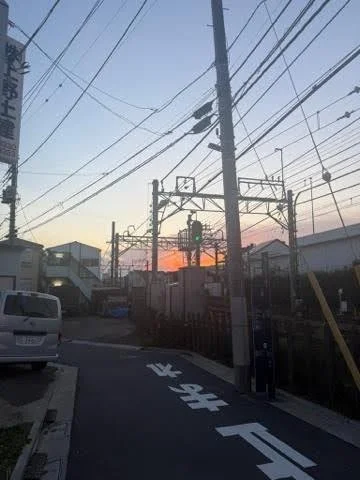
Adapting to the city, however, did not prepare us for the classroom. The training days gave us a solid idea of what was to come, and yet I still remember being told, “You’ll understand it when you do it”, and “It will come naturally next week”. Then suddenly, it was “next week” and the nerves were kicking in on the commute from Saginomiya to Shinjuku for our first day of class:
How much English will the students know? Do I need to have the lesson plans memorised? What is the best coaching style?
Although, unfortunately for any future interns who ask questions like “How do we coach?”, I can only agree, and say that it does, indeed, come naturally. I had only practiced my university and Life Mission presentations once before, and so was left unsure of how the students would respond. Yet, it was something that comes in the moment. Similarly, throughout the week, we got used to the textbook – when to keep to it down to the letter, and when to stray – and how each student wanted to learn.
Spending so much time getting to know one another on a personal level, therefore, provided us with our first insights of life in Japan, and the long-awaited cultural exchange. I found this to be far more entertaining than I anticipated, since there was only a year or two age gap between myself and my students. This meant that, despite being their coach, during breaks and lunch we could bond in a genuine friendship.
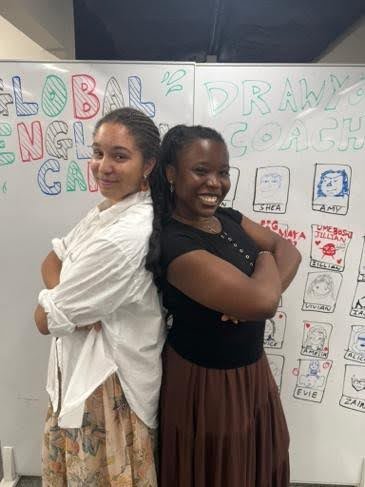
We took this cultural exchange further into what became my favourite day of the week: skit day. The rest of the week was filled with presentations and practicing Life Missions, but this gave the students – and us – a chance to put on as silly a show as we could. It was here that we quickly learned the story of Momotaro, which became a staple skit choice in the following weeks, making pictures, posters, alongside sound effects to put our own spin on it. An undeniable highlight will always be the (maybe) fifth Momotaro skit of the day, which defeated the demon with “67 power”. From here, the inside jokes between us and our students only grew, with the little games my group would play daily, and the snacks that sat in the middle of our table every day without fail.
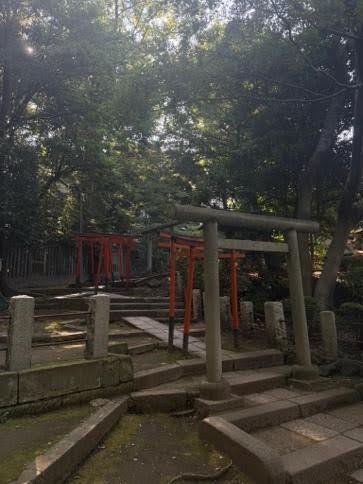
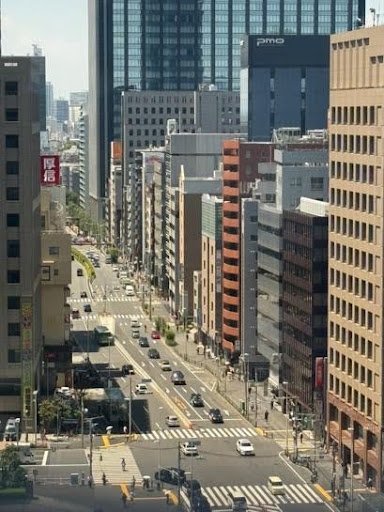
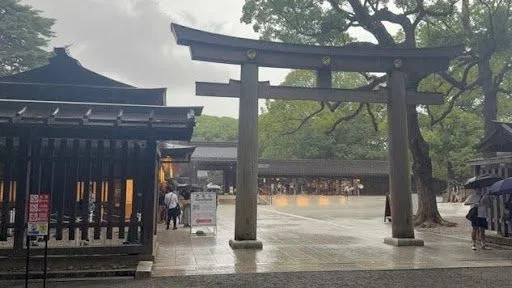
Meanwhile, this is not to say that our week was split solely between our accommodation and the classroom. Like in training week, we still had so much yet to explore, and, this time, we could start getting recommendations from our students. Shopping in Shimo-Kitazawa, fireworks by Senso-Ji, exploring Meji Shrine, and many more things to fill this list. This week was characterised by becoming more familiar with the nature of the programme: living in Tokyo, getting our bearings, understanding the commute, and figuring out coaching strategies.
By Saturday, the only thing left to experience was saying goodbye to our students. Our leaders had told us that the first would be the most difficult – and, I concur. It was time to start filling my journal with messages from our students, our team name, drawings, the week’s highlights, our names in Kanji, all positioned right beside a group picture.
Cultural Curiosity – Week Three
After two weeks in Tokyo, I’d argue that we all began to fall out of the ‘tourist-y’ phase, adjusting into a normal kind of life. Wake up at 8am, catch the 9am train, pick up breakfast at Family Mart in Shinjuku, then be on the 13th floor at 9:30am before the day started at 10am. Little to no use of a map; just a routine slowly becoming second nature.
However, introducing myself to our students for the second time provoked both a daunting and nostalgic feeling. In a sense, I felt like we had gone back to zero – revising our coaching strategies and adapting to new levels of English abilities. But, with new students came new interests and senses of humour, creating our own inside jokes. This was perfected once skit day rolled around again – thankfully for me, being on my 19th birthday. I look back on it and I see our Cinderella skit (in which my students had the audience try on our makeshift ‘slipper’, accompanied by sound effects), a group trip to Round One arcade, and discussions about the following day’s talent show. It was this that then provided my favourite moment of the programme, in which my students taught me the Soran Bushi dance that they were going to perform, only to then beg me to do it with them around five minutes before they went on stage. Such an unexpected experience still remains my favourite; while performing, I remembered the admissions process for the programme, in which I listed ‘Cultural Curiosity’ as my key Come on Out – Japan value, and this felt like the ideal embodiment of it.
There on out, the rest of the week passed quickly, as the coaching process grew easier. Likewise, the end of the week goodbyes also came somewhat easier, since, by now, I knew how I wanted to keep the week’s memories: notes from my students, our team name, group photos, and even surprise gifts from our students, too.
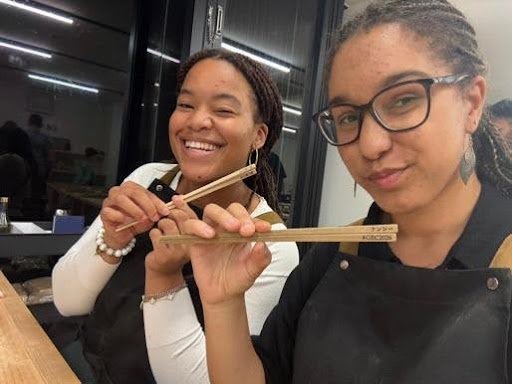
I kept these gifts aside in my room, along with those that I began gathering for my friends back home. In the evenings, shopping for souvenirs was essential in all of our minds, and the quality time that we spent searching only contributes to the joy of the memories. I would be remiss not to mention the chopstick-making studio right by the office, gifting me my favourite souvenir, carved with my students’ interpretation of my name in Kanji and #GEC2026.
Everyone had their own plans of what they wanted to do while in Japan; personally, I chose to stay and explore Tokyo. The weekend of Week Three, nonetheless, was a great bonding experience, as we all went out together for my birthday, with more group dinners in the following days. Over the weeks, this time marked our transition from strangers into work friends into genuine friendships – friendships which then had another two weeks to blossom.
Reflections – Week Four
The busiest week. The most students. Solo coaching. This was the week that was I expected to be the most intimidating, without other coaches to bounce off of, and with half the classroom listening to each of our presentations. In the build-up to this week, I saw only the fears that came with it, but, as I look back on it now, I see the closeness that my students and I built – only the three of us, as opposed to a group of up to six. This meant that we could learn about each other on a more personal level, instead of only having time for “What’s your favourite colour” or “What’s one place in Tokyo you recommend?”. I could participate in the skit with them, they insisted that we go out for lunch together, and they gave me dozens of recommendations, which I would come back with opinions on the next day. Not only this, but at the end of the week, they gave me personalised trinkets and our final goodbyes felt far more individualised.
This was also the week that many groups were back in Tokyo, having been coaching in other cities, allowing us to spend time in the city together, doing everything from trying new konbini snacks to late night exploring. My group also had several group dinners to celebrate our leader’s last few nights in the city. In this way, I saw the end of Week Four as the beginning of the end; saying goodbye to our students and our leader was the sentimental start of the programme’s end.
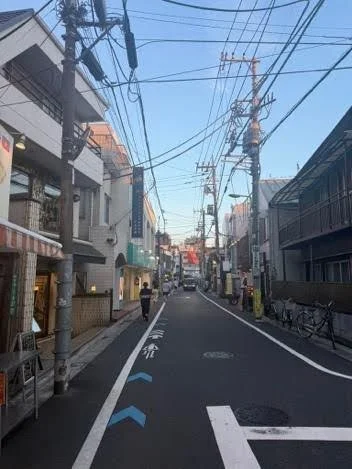
With only ten days left, I chose to spend my weekend in all the places that I still wanted to see: Tokyo City Flea Market, Shinagawa Aquarium (recommended to me by my students), Rainbow Bridge, Shibuya Sky, and Tokyo Tower. Walking around the city, now somewhat knowing my way around, became a strangely peaceful experience, as it seemed as though I had fully adjusted to living in this city – thousands of miles from home – and, as I walked, could see memories of things I had done, not places I had yet to see.


Saying Goodbye – Week Five
One month later, only one week left. Back co-coaching, this time with six students – the most that I had on the programme. It was quite the transition from the closeness and individuality felt in Week Four, nonetheless being fun in its own way. We could play huge group games, tournaments, and watch as the students collaborated on ideas for the daily presentations. Since, by now, we were comfortable with our coaching styles, we no longer needed to stress about how to do it; like we were advised, it just “came naturally”.
Meanwhile, despite the souvenirs I’d gathered earlier on, our impending departure prompted buying more and more trinkets, “just in case I don’t have enough”. Then came time to brave the Shinjuku Don Quijote store in search for anything that I definitely did not need, but reminded me of the trip just the same. From there, we returned to all the spots and restaurants that we loved, just for one final taste, and local spots that we’d passed dozens of times saying, “We have to try that!”.
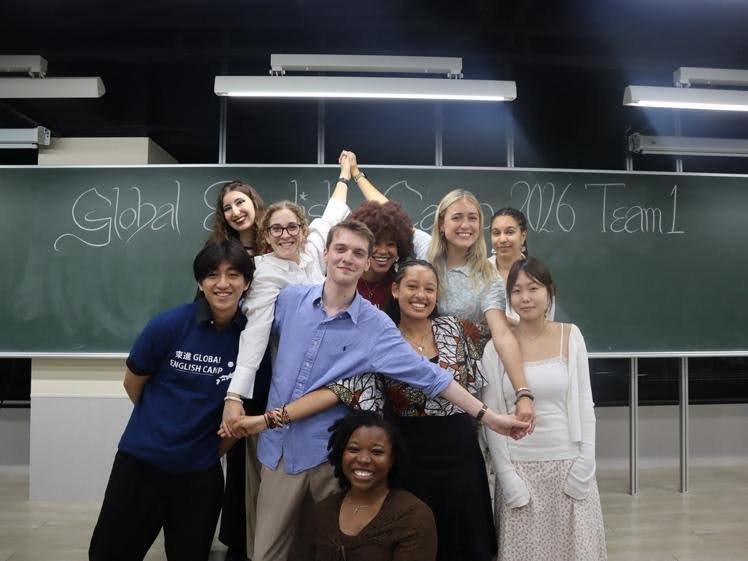
And so, after we had tried everything we had time for, the week, once again, came to an end. Following group karaoke, teaching British/American dance moves (e.g., UCLA ‘fighter chant’ or one of the dances from Teen Beach Movie), and taking huge group pictures, we left behind our final messages to the students and the Toshin staff. As I look back on the final week of the programme, the last day was, without doubt, filled with the most sentimental and emotional photos. Saying goodbye to our students and one another gave the whole experience a much more tender, and in many ways nostalgic, touch, than previous weeks. This came especially once I walked out of the office in Shinjuku, and it dawned on me that that was the last time. The same feeling came when it was time to leave our house not two days later.
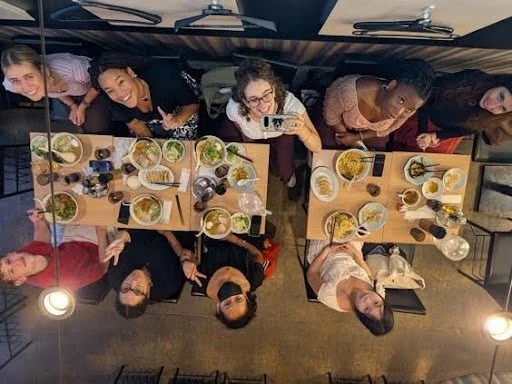
What followed can only be described as the most joyous moments of the trip, as everyone reunited to reminisce and celebrate our final days. The individual celebrations of the last coaching day, the farewell dinner that reunited all the programme’s interns, and the final group karaoke to say goodbye to Japan in the same way that we’d greeted it five weeks earlier. The final night encapsulated the surprises, the friends made, and the happiness of the trip into one, singular memory. And it was this memory that I thought of as I waited for my flight home; going through my thousands of pictures, and thus going through my memories of my Japanese summer.