By Eric Pereira and Jingyi Pan
Pictures by Jingyi Pan
Japan is a country known for having complex systems of etiquettes, especially to those traveling from Western cultures. We compiled a list of the most relevant etiquettes for those of you thinking of visiting Japan for the first time. While the list of manners can seem extensive, think of it more as a learning experience rather than rules you have to obey! Japanese natives are known for being quite patient with visitors as long as you are demonstrating proper respect and efforts.
How do I Greet Others in Japan?:
Bowing is the customary greeting in Japan.
A bow can range from a small nod of the head to a deep bend at the waist. Differences between the level of bowing are often determined by social ranks and the context of the bow. A longer and deeper bow can mean showing respect to elders, expressing gratitude, apologizing, or asking for a favor. A small nod, on the other hand, can indicate informal and casual greetings.
Bowing while kneeling is a subcategory of Japanese bowing in general. It can be used when the greeting takes place on the tatami floor or when one is in a ritualistic setting. Similar to bowing while standing, one must not bend anywhere else except one’s waist. The back and neck must remain completely straight, or else it is not considered a proper bow. Knowing how to bow is extremely important for forming social relations in Japan.

What are the table manners?
Japan has a great food culture and a variety of unique dishes to explore. It is extremely helpful to learn about proper table manners before you go on to enjoy yourself.
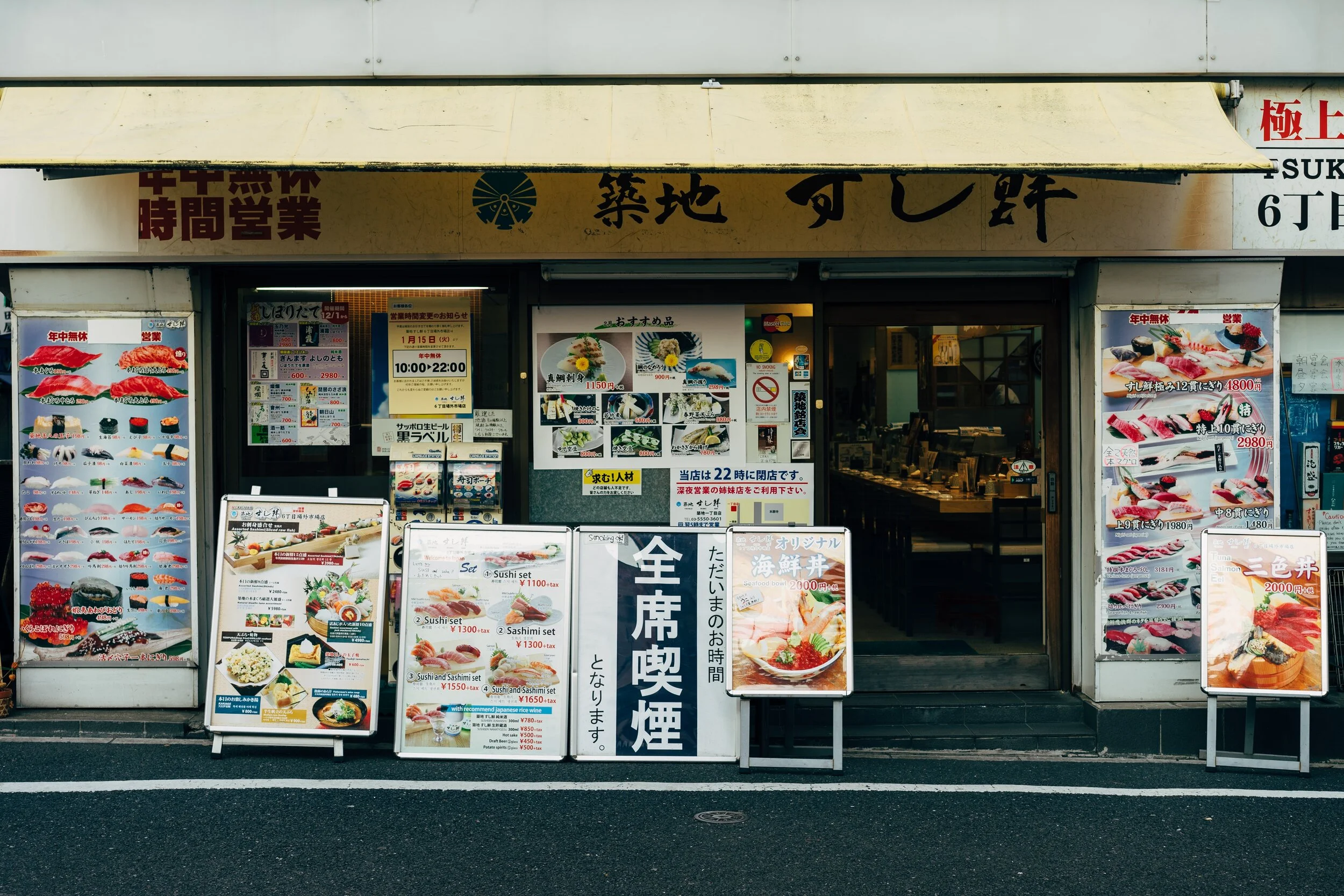
When you enter a Japanese restaurant, be prepared to receive a wet towel before eating. The towel is there for you to clean your hand. Depending on the restaurant, the towel can be disposable or reusable.
When at the dining table, it’s best to wait for everyone's order to arrive and then say "itadakimasu" ("I gratefully receive") before the start of the meal. If you are eating with seniors or elders, it is polite to wait for them to start eating before you do. If a dish is best eaten immediately but arrives before everyone else at the table, you can use the phrases "osaki ni dōzo" ("please go ahead") or "osaki ni itadakimasu" ("allow me to start before you").

Many Japanese dishes, like rice and miso soup, can be served in small bowls. When eating from a small bowl, it is proper to pick it up and keep it close to your mouth. Refrain from doing this with larger dishes.
There are other more general and common sense etiquettes. For example, you should not be blowing your nose, burping, or making loud eating noises when you are at the table.
It is considered polite to finish your dish and leave an empty plate. If there are food items you want to avoid, you can always check with the restaurants for replacements in advance. Other than that, it is also considered good manners to return all of your dishes and chopsticks to how they were at the start of your meal. Say "gochisōsama deshita" to your server which means "thank you for the feast"
*Remember that you DO NOT have to tip, as this just leads to an awkward conversation.
Is there drinking etiquette?
Similar to eating, it is polite to wait until everybody at the table has a drink. Then you can all raise your glass for a drinking salute, which usually is "kampai."
Instead of pouring your own drink, it is customary to start by serving each other when drinking alcoholic beverages. Occasionally check on your friends' cups and refill their drinks if their cups are getting empty.
*Different from many other countries, Japan’s legal drinking age is 20.
How do I use Chopsticks in Japan?
Chopsticks alone have a variety of etiquette rules you should follow. Here are just a few.
Do not rub your chopsticks together to get rid of wood shavings.
When you are not using your chopsticks, lay them down in front of you with the tips to the left.
Do not stick chopsticks into your food. Especially avoid doing it with rice as this is only done at funerals.
Passing food directly from your set of chopsticks to another is highly inappropriate. People do this at funerals with the bones of a cremated body.
Don’t point with your chopsticks or wave them around in the air.
Don’t move table dishes around with your chopsticks. Use the opposite ends of your chopsticks to take food from a shared plate.
Check out this video for more chopstick etiquette.
*Knives and forks are only used for Western food and spoons may be provided for soups and dessert.

What are the general public manners?
Japan is a dense country with many major cities that are known for being crowded and busy. In order to keep these cities running smoothly, everyone takes part in following proper social rules.
When walking around in Japan, eating, drinking and smoking are considered inappropriate. Of course there are special occasions and places where eating while walking is allowed. For example, it would be hard for one to enjoy all the good street foods at summer festivals or local market places if one can’t eat and walk. Just make sure you don’t drop anything!
First-time visitors might have trouble finding trash cans in Japanese cities. What many Japanese people do is carry a small plastic bag to put trash in and toss out the bag once you encounter a trash can. You can often find them in train stations, near vending machines, and at public parks.
Once you do find a trash can, you will notice that Japanese trash cans are meant for you to separate your trash. Garbage usually is separated into combustibles, non-combustibles, plastics, cans, and glass bottles. Make sure you follow the rules to make public workers’ lives easier!

How do I get around in Japan?
As many may know, public transportation is super convenient in Japan. For a tourist, you can basically get to all the famous spots with Japan’s extensive subway system and bus routes, but there are some things to be aware of.
It can often get quite busy in the subway (especially during rush hours). Be considerate of other passengers and try to take up as little space as possible. Don’t put your bag on the seat next to you, and make sure your luggage isn’t blocking anyone’s way.
When you are getting on to the subway/train, make sure you are waiting for your turn rather than rushing your way in. It is customary to let passengers on the train exit first before those waiting can get on. Everyone should be in a line when entering into the transportation.
Try to minimize the noise you are making. If everyone just ignored each other’s peace and quiet on public transportations, it would be torture to be on Japan’s crowded subways and buses. Therefore, make sure you are contributing to the quiet environment. Try not to answer your phone while on the trains or buses.
Talking loudly between passengers or on a phone call is looked down upon. Of course, if you really need to take a call, some trains have designated areas for you to do so. For example, on the bullet train, the famous shinkansen, you can take a phone call in the area between the train cars.

Home Visits in Japan
This rule is similar across many Asian cultures. Be sure to take your shoes off before entering a Japanese household. Slippers are provided by the host and if you are not wearing socks, it’s polite to bring a fresh pair to wear after removing your outdoor shoes.
Entering someone's house barefoot would be acceptable in informal situations. You should remove your slippers when stepping on Tatami floors (traditional Japanese-style rooms).
Separate toilet slippers are provided to use the restroom; leave the regular slippers outside when in use. Don't forget to remove your toilet slippers after leaving, a common mistake among foreign visitors.
It is often polite to bring something when you visit someone’s home for the first time. It doesn’t have to be anything big, but showing up empty handed can be considered rude.
How Do I Sit Properly?
Sitting upright on the floor is common in Japan and there are proper ways to do so.
Men and women in formal situations will kneel upright (called seiza).
You may get uncomfortable after a few minutes if you are not used to sitting like this. Do not worry if you cannot do this for a long period of time. When in doubt, ask what is appropriate.
In casual situations, men can sit cross-legged, while women sit with both legs to one side.

How Do I Act in Japanese Tourist Destinations?
Shrines and Temples
The numerous shrines and temples are definitely worth visiting when you are in Japan. Just like other religious and cultural sites, there are rules that one should follow to show respect.
There is no strict dress code when visiting shrines and temples, but we recommend dressing appropriately to show respect at a place of worship. Make sure to avoid clothing that is too revealing or contain vulgar contents.
For shrines and temples, photography is usually permitted on the grounds, but is often forbidden inside the buildings. Look out for signs or ask the staff when in doubt.
Be calm and respectful when visiting. Do not make loud noises or eat and drink inside the building. This video offers some etiquette basics when visiting Japanese shrines and temples
Take note that temples are Buddhist, and shrines are Shinto. Shrines usually have a Torii gate in front of them, separating the human world from the sacred ground. Gates to a temple, however, often look like a large house. Although most etiquettes between the two are largely similar, there are still some differences.

When Visiting a Japanese Shrine:
Many people choose to bow slightly in front of the Torii gate before entering into sacred ground. You can choose to do this, but if you don’t, be respectful towards those who do it.
Walk on the side of the road as you head to the shrine. The middle is meant for the deities to pass.
Purification process: Right before you reach the shrine, you will see a basin filled with water and the surrounding wooden ladles (it is called chousuya). This is a purifying site, and it is customary to purify oneself before entering into the shrine. Take it with your right hand and scoop a generous amount of water. Pour some water into your LEFT hand first, and then on your RIGHT hand (order is important). After the symbolic purification of your hands, put some more water onto your left hand and bring your mouth to your hand. Your lips should get a little bit wet, but do not drink the water. After the final rinsing of your left hand, lift up the mouth of the ladle and lay it down in a way that the leftover water can wash over the ladle. This step is to purify and ladle for the next person.
Because purification is important, causes of impurity such as being sick, having an open wound or mourning are reasons to avoid visiting a shrine.
When Visiting a Japanese Temple:
To show respect, make a short prayer in front of the sacred object. Throw a coin into the offering box, and then make a short prayer.
You can burn incense at some temples. Purchase a bundle and light them. Extinguish the flame after letting them burn for a few seconds. Make a short prayer after placing the incense in the burner.
Be ready to remove your shoes when entering temple buildings as this may be required. Nice socks are recommended and you should bring a pair for indoor use if you aren’t wearing any. Remember to remove your hat.
*The purification process is the same as visiting a shrine.
Money in Japan
Although in big cities like Tokyo or Osaka, a lot of places accept credit cards. Having cash handy is extremely important in Japan, especially if you travel to smaller towns or go to local festivals.
When conducting a transaction with a cashier, note that there will usually be a tray to place your money, rather than handing it directly to them.
Sometimes when there isn’t a tray, the cashier will usually hand you the spare change with both hands, as it is considered respectful. You should also receive the change with both hands to indicate a return of respect.
-----
The long list of Japan’s etiquette rules (and there are many more!) can seem overwhelming and one might be nervous to ensure they’re abiding by all of them. However, you don’t need to stress about it as the Japanese locals will be patient and appreciate you if you are making an effort. When in doubt just ask someone if what you are doing is the correct manner or try to observe the crowd. Safe travels!